How to Teach Your Horse Basic Commands
Are you hungry for a healthy and well-balanced partnership with your Horse? Commanding your Horse in basic commands is not only a way of communication between you but also an aspect of their safety and welfare. If you are a new horse owner or looking to improve your training skills, being a pro in command training is the perfect thing to do for your Horse and you. In this article, we'll dive into ten practical tips to help you through this process confidently and successfully.
Start with Trust
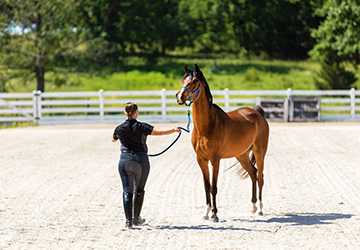
In our communication with our horses, it is trust that we need to create that forms the cornerstone. Invest time to discover your Horse's personality, favourite, and not-so-favourite things. Comfort them and try to get them in a positive mood. While working on creating trust, a safe environment will also be provided for your Horse. It will be the environment where your Horse will learn to accept the given commands. Developing trust with your Horse is about understanding what they are trying to tell you with their body language and responding in a way they can understand. However, through deliberate communication and bonding, you will develop a healthy and robust relationship that facilitates training and leads to excellent results.
Use Clear, Consistent Signals
Horses are susceptible animals that react well to clear and constant cues. To start with, use voice commands together with body gestures as they are simple cues. For instance, when you are training your Horse to stop, say "whoa" in a firm and kind tone while simultaneously preventing the movement of your own body. Consistency is the key to success; always request the same cues when asking for something specific.
Practice Patience and Persistence
Teaching a new command requires quite a lot of time and patience, so be ready to devote both to the process. Start in an environment that is quiet, familiar, and free from distractions. Repeat the commands and associated actions until your Horse understands them, rewarding them with approval or treats when they get it right.
Use Positive Reinforcement
The teaching of commands is very effective. Prompted by positive reinforcement, such as treats or praise, it is very effective. When your Horse follows your instructions correctly, remember to reward it swiftly to strengthen your desired behaviour. In time, your Horse will become accustomed to answering the commands, and they will understand that this is the way to achieve a positive outcome, making them more eager to learn and comply.
Seek Professional Guidance
If you need help teaching your dog commands or have doubts about the commands you will teach your dog, please feel free to seek professional guidance. Certified horse trainers will share their observations and innovative techniques and help you make a plan for your Horse based on its individual needs and character. They are also willing to assist you in resolving any difficulties you face.
Establish a Routine
It is crucial to be consistent when giving your horse orders to make understanding and obeying them easier. Develop a training schedule and be consistent with it. This pattern lets the Horse know when to expect training sessions, providing a more focused learning method. Keep the training sessions short but more frequent. Start with one command per session to avoid the Horse getting overwhelmed.
Gradually Increase Difficulty
Now that your Horse has learned the basic instructions, try making the training more difficult. Start with new commands related to the previously learned skills, giving clear instructions on how to use them. In addition, the training process should begin with simple commands like halting the Horse after they become more consistent. Then, add transition elements, such as walk-trot and trot-halt. Through this progressive training method, you will achieve a balanced and beneficial training session targeting your Horse's mental and physical capabilities.
Use Natural Horsemanship Techniques
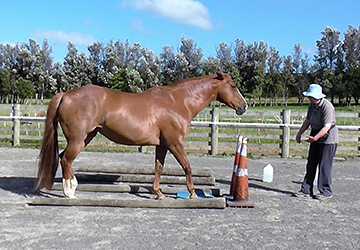
Natural horsemanship methods, such as groundwork and liberty training, build your connection with your Horse and make you a better communicator. These techniques aim to study the Horse's character and identify its innate characteristics and behaviours. To improve your Horse's responsiveness and obedience, try lunging, leading, and desensitization exercises.
Stay Calm and Confident
The Horse is a sensitive animal that perceives its handler's feelings. Be cool, calm, and confident despite the challenges during drilling sessions. Try not to get upset or tense when your Horse doesn't react as you hope. Stay at the same level of optimism, and your Horse will be more interested in learning and following orders.
The Horse is an athlete who can sense his trainer's emotions. Your confidence, patience, and tranquillity make success possible during the training sessions. Multiply your frustration if your Horse doesn't respond fast enough; be persistent and have a good attitude, and they will be more attentive and eager to learn.
Practice Regularly
Repetition is the mother of perfection, so remember to keep practising even after your Horse is good at it. Frequent training sessions assist in keeping your Horse obedient, which could help avoid forgetting previously learned commands. Constant training is beneficial as it increases your attachment and enhances how you communicate with your Horse.
Conclusion
Learning the Horse's basic commands requires patience, consistency, and a keen knowledge of the Horse's requirements and emotional reactions. Implementing the steps addressed in this article will allow you to create a good base for interaction that will be of mutual benefit and respect. Recall the main trust element, use obvious signs, practice endurance, use positive reinforcement, and seek advice when opportunity allows.