How to Deal with Pet Allergies: A Complete Survival Guide
Are you someone who loves animals but is afraid of exacerbating your pet allergy symptoms? Then there you are. Known for their unconditional love and ability to bring great joy into our lives, pets can present a great challenge to those who are constantly sick around them.
The idea of welcoming a furry friend into your home may seem out of reach for allergy sufferers. But don't worry! In this comprehensive guide, we decipher the world of pet allergies and give you valuable strategies for overcoming this obstacle. These technologies allow you to live in harmony with your beloved pet while protecting your health and well-being.
Common Pet Allergy Symptoms
If you are allergic to your pet, you may experience some common symptoms, which can vary in severity. Below is a list of some common allergy symptoms.
•Sneeze
• Runny or stuffy nose
• Facial pain
• Cough, chest tightness and shortness of breath
• Watery, red or itchy eyes
• Rash or hives
• Itchy throat or ears
Tips for Dealing with Pet Allergies
Here are some practical ways to manage pet allergies while keeping your beloved pet close by.
1. Understand the root causes of pet allergies
In fact, understanding the cause of pet allergies is critical to effective treatment and reduction of allergic reactions. Consulting a doctor and performing an allergy test can help identify the specific allergen causing your symptoms.
Although many people think they are allergic to pet dander, this is not the case. Airborne particles and microorganisms in pet fur are the most common triggers of respiratory allergies. These allergens can be inhaled or come into direct contact with the skin, leading to the development of allergic symptoms.
2. Create a pet-free zone
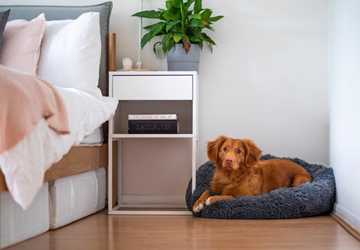
No matter how much you love your furry pet, it's important to set boundaries and keep them out of your bedroom, including your bed. While co-sleeping with your pet may seem comfortable, it can cause some problems, especially if you have animal allergies.
Pets can carry allergens that can trigger allergic reactions and affect your sleep quality. By establishing a pet-free zone in your bedroom, you can ensure a clean and allergen-free environment that promotes better sleep and reduces the risk of allergies.
3. Bathe your pet once a week
To reduce the risk of spreading allergies, it is important to wash your pet once or twice a week. Regular grooming reduces pet allergies by keeping the skin healthy and preventing excessive shedding and dryness that can trigger reactions. Brushing and grooming your pet promotes skin health and controls allergens, thereby minimizing the risk of allergies.
Hire someone who is not allergic to your pet for brushing and grooming. In the process, you can help minimize direct exposure to allergens. If this is not possible, you should consider hiring a professional beautician who can perform grooming while properly managing allergies.
4. Keep the environment as clean as possible
Regular cleaning is important to reduce allergens. To properly pick up pet hair, consider using a HEPA vacuum to clean your carpet. But it's important to remember that when you have pets, dander can show up anywhere in your home.
HEPA air purifiers can help to filter and reduce allergens in the air to solve this problem. To prevent airborne allergies, use a damp cloth to clean and wipe down surfaces. Frequently washing your pet's bedding and using a hypoallergenic cover can significantly reduce the chance of exposure to allergens.
5. Reduce contact with allergic pets
To effectively combat pet allergies, it is important to limit direct contact with allergic pets, as exposure to allergens can trigger and aggravate allergic symptoms. When you hug or kiss pets, you are in close contact with their fur, which can lead to allergies. Allergies that spread through the hair to the skin can quickly develop symptoms such as itching or hives.
6. Choose hairless pets
If you find yourself developing a severe allergic reaction to a pet, it is recommended that you stay away from furry pets. However, several attractive alternatives are available. If you rely on a dog or cat for companionship, choosing a hypoallergenic breed that is smaller or less prone to dander can help minimize severe allergy symptoms.
7. Wash your hands and clothes
To prevent pet allergies, it is important to keep your hands and clothes clean after handling pets. This reduces the likelihood of allergies being transmitted from your pet to your body. It is important to avoid touching your face before washing your hands thoroughly, as allergens can easily transfer to your eyes and mouth if your hands are not clean.

8. Take allergy medicine
If you have pet allergies, there are over-the-counter and prescription medications that can relieve allergies. Antihistamines, nasal sprays, and eye drops are often used to effectively treat allergy symptoms.
For severe and persistent pet allergies, consider consulting an allergist, who may recommend allergen immunotherapy as a possible treatment option. With this specific therapy, the immune system is gradually exposed to small amounts of the allergen, which builds up tolerance and ensures long-lasting relief of symptoms.
Wrap up!
Dealing with pet allergies can be difficult, but with the right knowledge and skills, you can still enjoy life with your furry friends. By following this complete survival guide, you can reduce allergy symptoms and get the most out of the wonderful company your pet has to offer. Remember that patience, dedication, and proactive measures are key to ensuring that pet allergies don't limit your ability to bring the love and joy that pets bring. Embrace the journey, stay informed, and appreciate the unique bond you share with your furry companion.