How to Train a Parrot to Talk?
Comprehensive Parrot Linguistics
Parrots are known for their vocal mimicry, naturally imitating sounds, especially human speech. This trait extends their innate social behaviour in the wild, in which vocalization plays a central role. Understanding this concept is the basis for practising parrot language training. It's important to realize that parrots don't "talk" like humans but rather imitate sounds for social purposes, which makes teaching a parrot to talk a unique challenge.
Create an Ideal Learning Space
Guaranteed Comfort
An essential aspect of training a parrot is creating a caring environment. Placing a comfortable, spacious cage in a family-friendly area of your home can encourage your parrot's willingness to learn.
Routine and Familiarity
Create a consistent schedule for your parrot, including set times for meals, play, and training. Consistency creates familiarity, which promotes a conducive learning environment.
Training Basics
Start With the Basics
Start teaching your parrot to speak using simple, recognizable words. A standard greeting is a good choice. Frequent repetition of these words in daily life promotes imitation.
Rewards and Encouragement
Positive reinforcement is crucial in parrot speech training. Responding to or liking the parrot's attempts at language can enhance their learning.
Advanced Communication Skills
Expand Your Vocabulary
As your parrot understands the essential words, gradually introduce more complex sentences. This step is crucial for parrot speech training. Incorporate common family phrases to help them learn.
Addictive Game
Incorporate language into playtime. Interactive toys that challenge your brain may be helpful during this stage of learning.
The Power of Social Interaction
Involve your parrot in daily household activities. Regular conversations with your parrot can help with its language development.
Stay Healthy to Study Effectively
Nutritional Requirements
Well-fed parrots are more likely to be actively engaged in learning. Use the right combination of nutrients to balance your parrot's diet.
Health Monitoring
Regular visits to your avian veterinarian are essential to ensure your parrot's health, which is a critical factor in successful parrot vocal training.
Overcome Learning Barriers
Shy and Reserved
If your parrot hesitates when speaking, patience is your best option. Encourage her gently without pressure.
Manage Excitement
If your parrot becomes overly excited, causing excessive noise, use calming techniques such as gentle petting and soothing sounds.
Behavioural Problems
If you have ongoing problems training your parrot, seeking advice from an avian behaviourist may be helpful.
Improving Your Parrot's Learning Experience
Use Music and Rhythm
Music can play an exciting role in parrot speech training. Parrots often respond positively to rhythmic melodies, and incorporating music into training sessions can make learning more enjoyable. Singing phrases or words from a song can encourage your parrot to join in and imitate.
Visual Aid
Visual stimulation can also help teach your parrot to talk. Flashcards or colourful pictures shown during articulation can help parrots associate visual elements with verbal cues, potentially improving their understanding and memory.
Embrace Your Parrot's Personality
Personal Learning Style
Just like humans, parrots have personalities and learning styles. Some prefer a quiet, personal approach, while others thrive in a more active atmosphere. Tailoring your approach to your parrot's personality can significantly impact the effectiveness of your parrot training.
Patiently Progress
Celebrating the small milestones in your parrot's language journey is essential. Every new word or sound they imitate is an advancement in your parrot's language training and should be given with enthusiasm and reward.
The Role of Social Interaction
Imitation Instinct
Parrots naturally tend to imitate the sounds they hear frequently. Talking to your parrot regularly can stimulate its imitative instincts even if you don't speak to them directly. Stimulation is an essential aspect of a parrot learning to speak.
Family Involvement
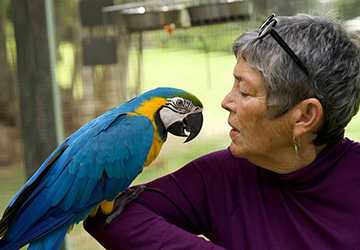
Encouraging family members to interact with your parrot can provide a more complete learning experience by exposing it to different sounds and speech patterns.
Processing Environment
Avoid Distractions
A quiet, distraction-free environment promotes learning. Minimizing noise or sudden movements can help your parrot focus during parrot speech training.
Safe And Stimulating Environment
Make sure your parrot's habitat is not only comfortable but also stimulating. Toys that encourage problem-solving and exploration can keep the mind active and positively impact overall cognitive development.
Long Term Commitment
Maintain Consistency Over Time
Teaching a parrot to talk is a long-term task. Consistent daily practice is more effective than sporadic intensive practice.
Evolving Technology
As your parrot grows and learns, its training needs may change. Be prepared to adapt your techniques and introduce new challenges to keep participants interested.
Promote a Language-Rich Environment
Exposure to Different Languages
Parrots can learn words in different languages. Exposing your parrot to multiple languages during parrot language training can expand its vocabulary and provide a stimulating mental challenge. This multilingual method of teaching your parrot to speak is fun and rewarding.
Use Technology
Modern technology can be a valuable tool in training your parrot. Regularly recording spoken words or phrases can help improve language learning when you are not around. Just set the volume to a level your parrot is comfortable with.
The Importance of Body Language
While we focus on teaching parrots to talk, it's also essential to understand their body language. Observing your parrot's reactions and behaviour during training will give you an idea of its level of comfort and interest, allowing you to adjust your approach accordingly. Incorporating gestures or body movements while speaking can make training more engaging for your parrot.
Conclusion
Understanding your parrot's needs, maintaining patience, and regularly adjusting your methods are critical to teaching your parrot to speak. With a dedicated and caring approach, parrot language training can be an enriching experience and deepen the bond between you and your feathered companion. Remember that every parrot is unique, and their language abilities may vary. However, with the right approach, progress is always possible.